
Puntland’s Rising Prices: Impact of the Middle East War and Global Disruptions
Author
IRIS Research Center
Puntland’s Rising Prices: Impact of the Middle East War and Global Disruptions
The recent surge in fuel prices across Puntland in March 2026 reflects the far-reaching consequences of escalating geopolitical tensions in the Middle East. The outbreak of the Iran war on February 28, 2026, following a joint U.S.-Israeli military campaign known as “Operation Epic Fury”, has significantly disrupted global oil supply chains. The resulting closure of critical maritime routes, particularly the Strait of Hormuz, pushed global oil prices beyond $120 per barrel and triggered immediate economic shocks in import-dependent countries like Somalia.
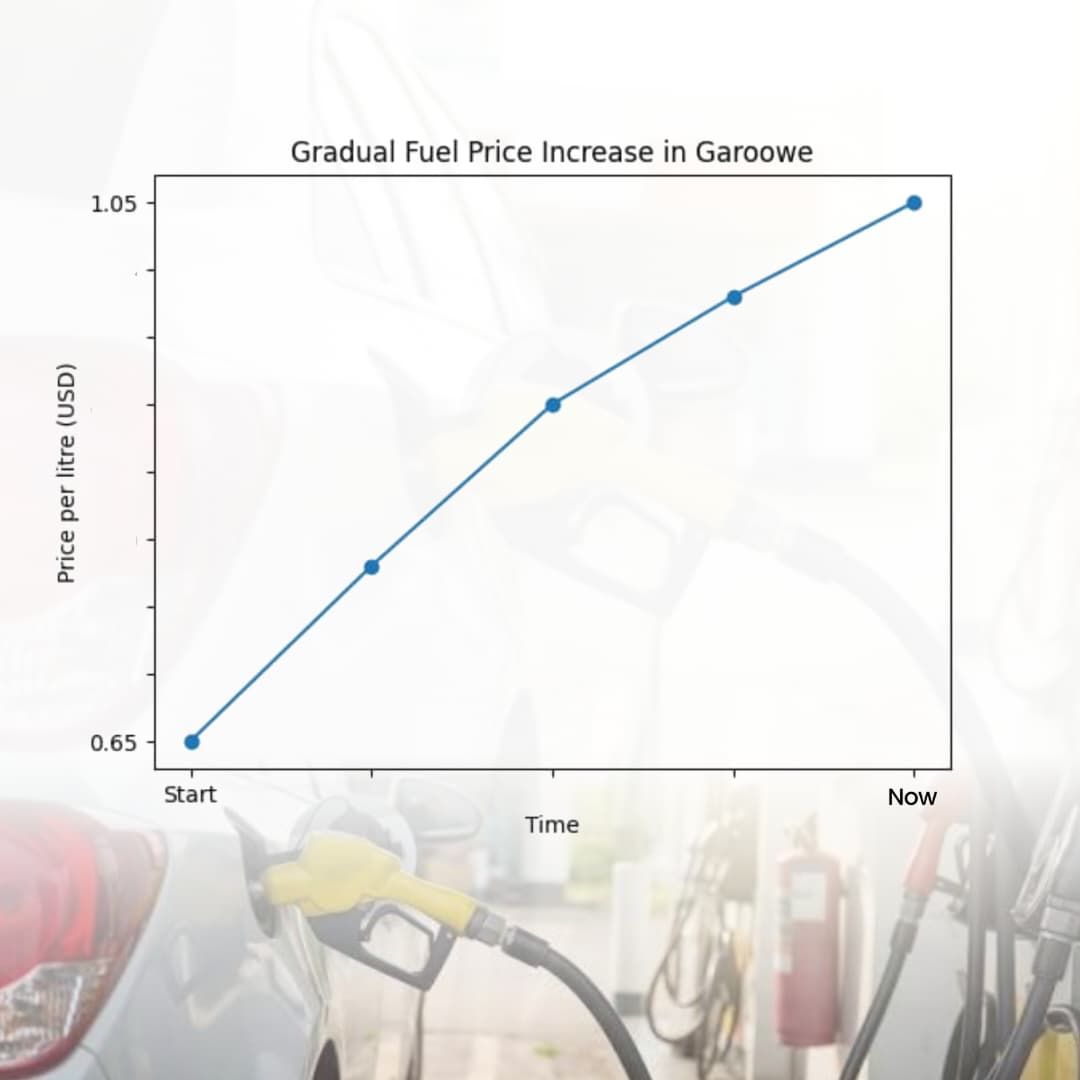
Puntland has been directly affected by these disruptions. In Bosaso, a key commercial hub, fuel prices rose sharply from $0.76 per litre before the conflict to $0.95 per litre by late March. In Garowe the price reached $1.05 per litre of petrol. This increase has not occurred in isolation; it has triggered a broader rise in the cost of essential food commodities, placing additional pressure on households already facing economic hardship.
Market data from Bosaso in late March illustrates the scale of these changes. Staple food prices have risen across the board. The price of flour increased from $21.5 to $23, while rice climbed from $22.3 to $25. Sugar prices rose from $27.3 to $28.5. More significant increases were recorded in essential household items such as powdered milk (Amis), which jumped from $76 to $88, and cooking oil (Hayad), which increased from $25 to $29. These changes reflect a clear pattern: rising fuel costs are translating directly into higher transportation and import costs, which are then passed on to consumers.
The social and economic implications of these increases are considerable. Higher fuel prices have already strained the transport sector, with many operators struggling to maintain their livelihoods. At the same time, rising food prices are reducing purchasing power, particularly for low-income households. The situation is further compounded by ongoing drought conditions, which continue to threaten food security across the region.
The crisis also underscores Somalia’s structural dependence on external markets. With over 90% of fuel imports sourced from the Gulf and a significant share of goods imported through the UAE, disruptions in the Middle East quickly translate into domestic price instability. The current situation demonstrates the vulnerability of local markets to global shocks beyond their control.
In response, Puntland authorities have taken measures aimed at stabilizing prices. The government has instructed businesses to maintain pre-crisis pricing levels and issued warnings against unjustified increases in fuel and food costs. This position has been reinforced by the Puntland Chamber of Commerce and district authorities in Bosaso, who have collectively cautioned traders against exploiting the situation.
While these interventions are important for short-term stability, they may be difficult to sustain without broader structural adjustments. There is a need for stronger monitoring of market practices to ensure compliance with government orders. At the same time, Puntland, and Somalia more broadly, must explore alternative supply routes and diversify sources of fuel imports to reduce reliance on a single, volatile region.
In conclusion, the rising cost of fuel and food in Puntland is a direct outcome of global geopolitical conflict, but its impact is shaped by local structural vulnerabilities. Addressing the crisis effectively will require both immediate regulatory action and long-term strategies aimed at enhancing economic resilience and supply chain diversification.
Topics & Regions
Related Analysis
Dormant, Not Defeated: Why Somali Piracy Is Emerging Again
Drought Crisis and Policy Responses in Puntland; Impacts, Challenges,and Strategic Actions
Drought in Puntland
Regional Realignment and Implications of Israel’s Recognition of Somaliland