
Forced to work: the growing reality of child labour among Somali children
Author
IRIS Research Center
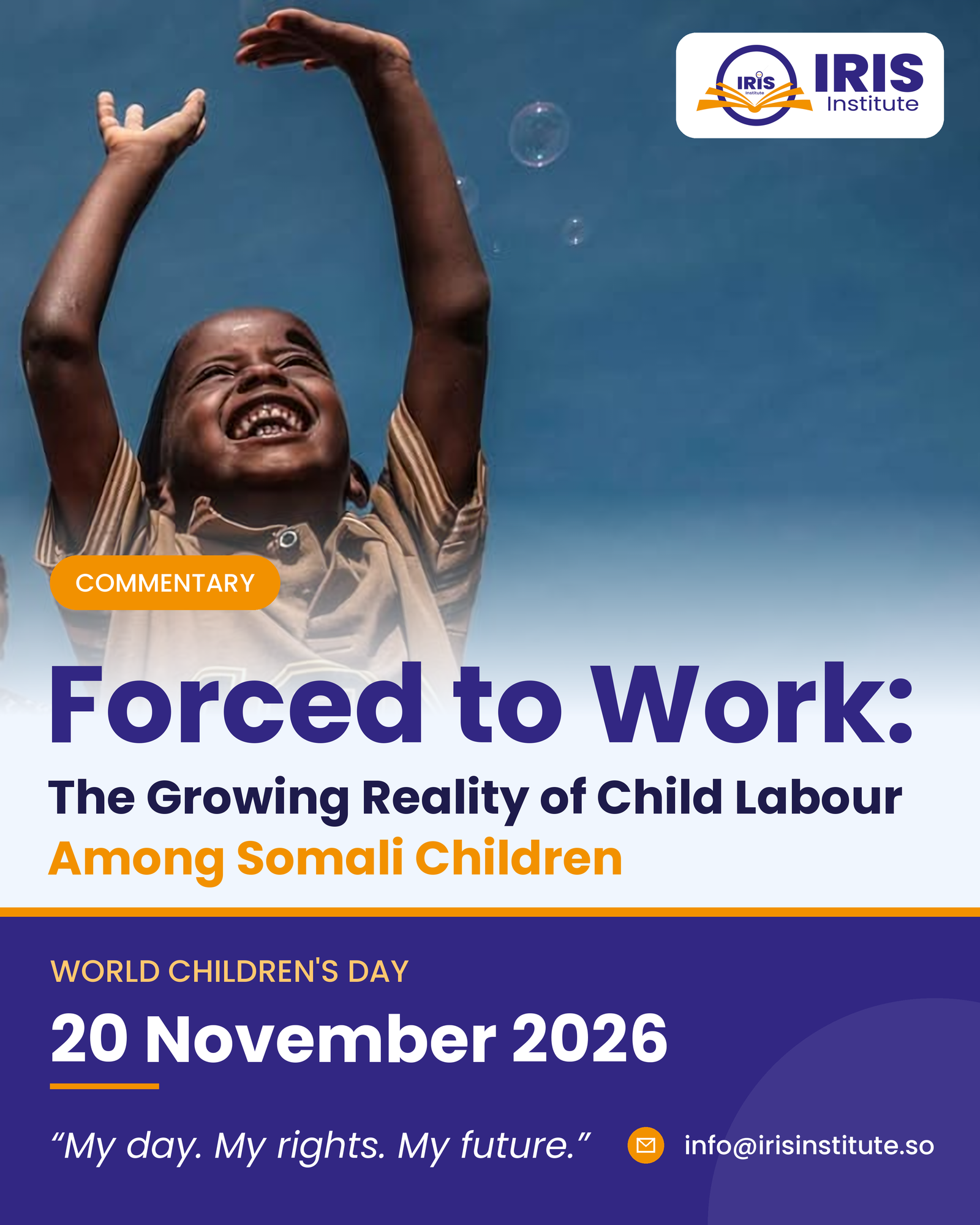
Forced to work: the growing reality of child labour among Somali children
Walk through any of Somalia's major cities and you will see children working. They shine shoes, sell chewing gum and nuts along busy roads, wash cars, haul goods in markets and help truck and minibus drivers. Others wash clothes, clean private homes, work in restaurants or collect scrap metal to sell. Each of these can look like an ordinary way to earn a living. When the worker is a school-age child, it is child labour, and the hours come out of school and play.
Behind most of this work are households under strain from poverty, unemployment, displacement and rising prices. A child's earnings, however small, can cover a day's food, and it is easy to see why families accept that. But hardship at home does not make child labour acceptable, and it should not become a permanent part of Somali society.
Childhood spent working
The work takes many forms, and street vending is only one. In the big cities, boys clean shoes, sell gum and nuts, wash cars, and carry mobile phones or Sahal money-transfer numbers for begging. In busy markets, some work as porters, carrying heavy loads for customers and traders. Others help truck drivers and work on public transport, or work in restaurants and small shops.
Girls' work is harder to see. School-age girls wash clothes for other households, sometimes alone and sometimes beside their mothers. Others work as housemaids for small payments, and the money often goes straight to their mothers to cover household costs.
Some mothers collect discarded iron and other recyclable scrap and bring their young children along, boys and girls alike. The children spend long hours in places where they can get hurt, and those hours are not spent in school.
The most troubling cases are the very young children who beg on the street, some holding their parents' mobile money numbers. Their presence raises questions about what these parents can do, what support their households lack, and what protection exists for the child.
The jobs differ, but the problem is the same. These children are earning money at an age when school, play and learning should fill their days.
What it costs beyond the income
A child who spends the day selling goods, washing cars, carrying loads or working in a private home has less time and energy for school, homework, rest and friends.
Some children manage both work and school, but that does not mean school is unaffected. Long hours, exhaustion and pressure to bring money home can lower grades, lead to missed days and push children out of school entirely.
Girls who do domestic work or wash clothes face a further problem: most of their labour happens out of public view, so few people ask about their working conditions, their pay or whether they are still in school. Boys around transport, markets and restaurants can end up in unsafe places and take on responsibilities beyond their age and strength.
Child labour can also pass poverty from one generation to the next. A child who gives up school to support the family has fewer chances to gain the skills for better work as an adult. A response to hardship ends up helping to keep the hardship going.
Children have rights
Protecting children is a legal and human rights obligation as well as a social concern. The UN Convention on the Rights of the Child recognises children's rights to education, rest, leisure and development, and their right to protection from economic exploitation.
Article 29 of Somalia's Provisional Constitution (2012) recognises children's rights to care, education and protection, and protects them from abuse, mistreatment and harmful labour. Neither document expects a child to carry economic burdens that put their safety, schooling or development at risk.
The harder task is making those commitments mean something in the streets, markets, workplaces and private homes where children actually work.
Not every activity a child does is child labour. Age, hours, conditions, the type of work and its effect on schooling all matter. But work that is hazardous, exploitative or excessive, or that gets in the way of school, should not be treated as normal.
Who needs to act
Telling children to stop working is not enough, because it ignores why families rely on them. Any serious response has to help households and strengthen the institutions that protect children.
The Federal Government and state authorities should enforce child protection laws, improve labour inspections, and set up reporting and referral channels that children in exploitative situations can reach. Local governments are best placed to identify vulnerable children and link their families to social protection and schools.
Schools should pay closer attention to pupils who often miss class, struggle to take part or leave because of money pressures. Community organisations, civil society groups and religious leaders can run awareness campaigns that push back against treating child labour as normal and make the case for education.
Parents and guardians need to accept that children should not be the household's main earners. In return, the government and development partners should support vulnerable families with livelihood opportunities, social assistance and accessible schooling.
World Children's Day
World Children's Day falls on 20 November 2026, under the theme "My day. My rights. My future." It is a good moment for Somalia to look at how its children actually live.
The day should not stop at ceremonies, speeches and public messages. It should prompt honest conversation about the children who spend their days in markets, washing cars, selling goods on the street and working in other people's homes, carrying responsibilities that are not theirs to carry.
Asking why children work only gets us halfway. The next question is what society is doing so they do not have to.
Somali children should be able to get to school, and their families should be able to manage without sending them to work. Child labour is an issue Somalia cannot afford to overlook.
Topics & Regions
Related Analysis
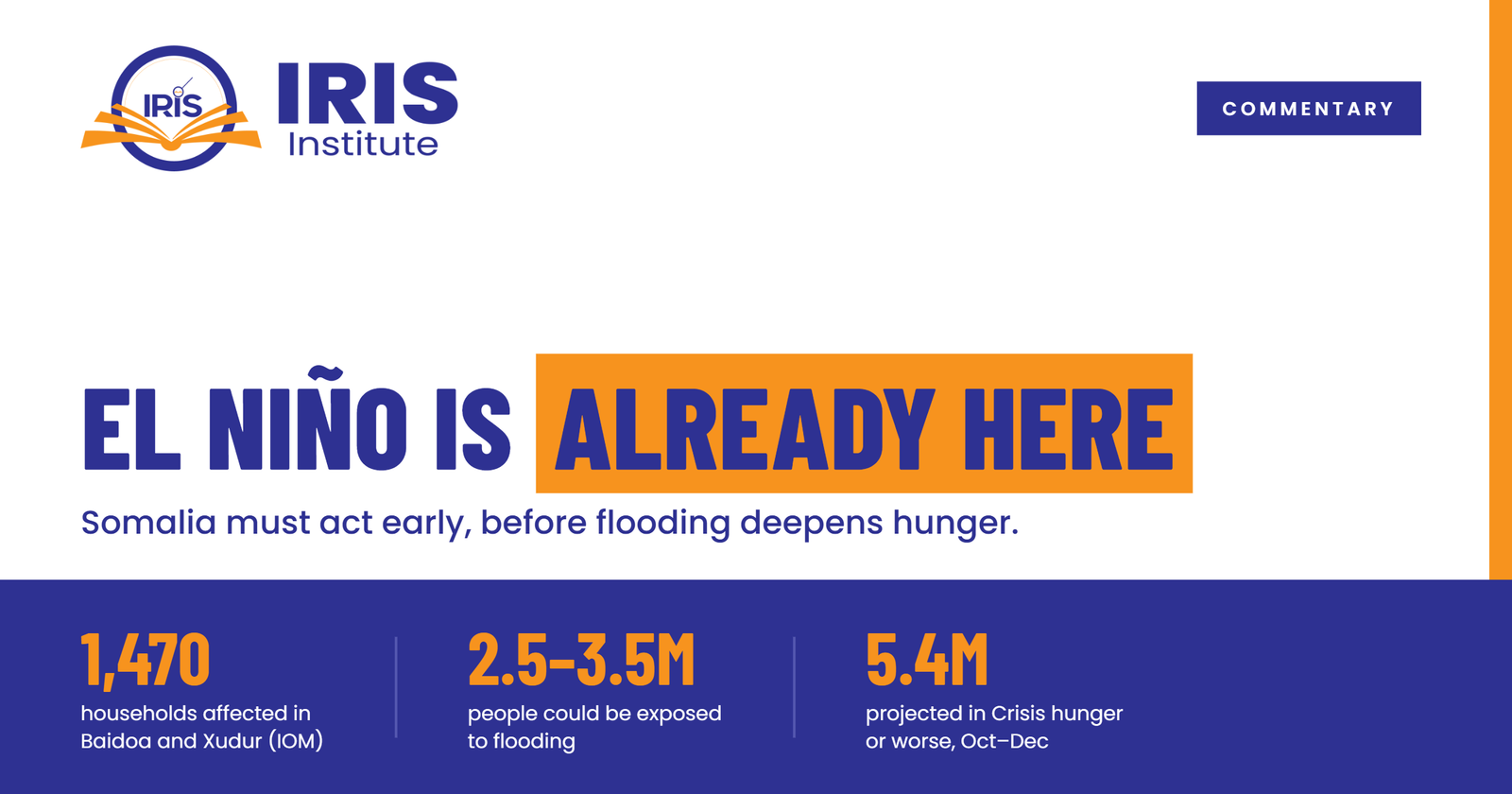
El Niño Is Already Here: Somalia Needs Early and Collective Action
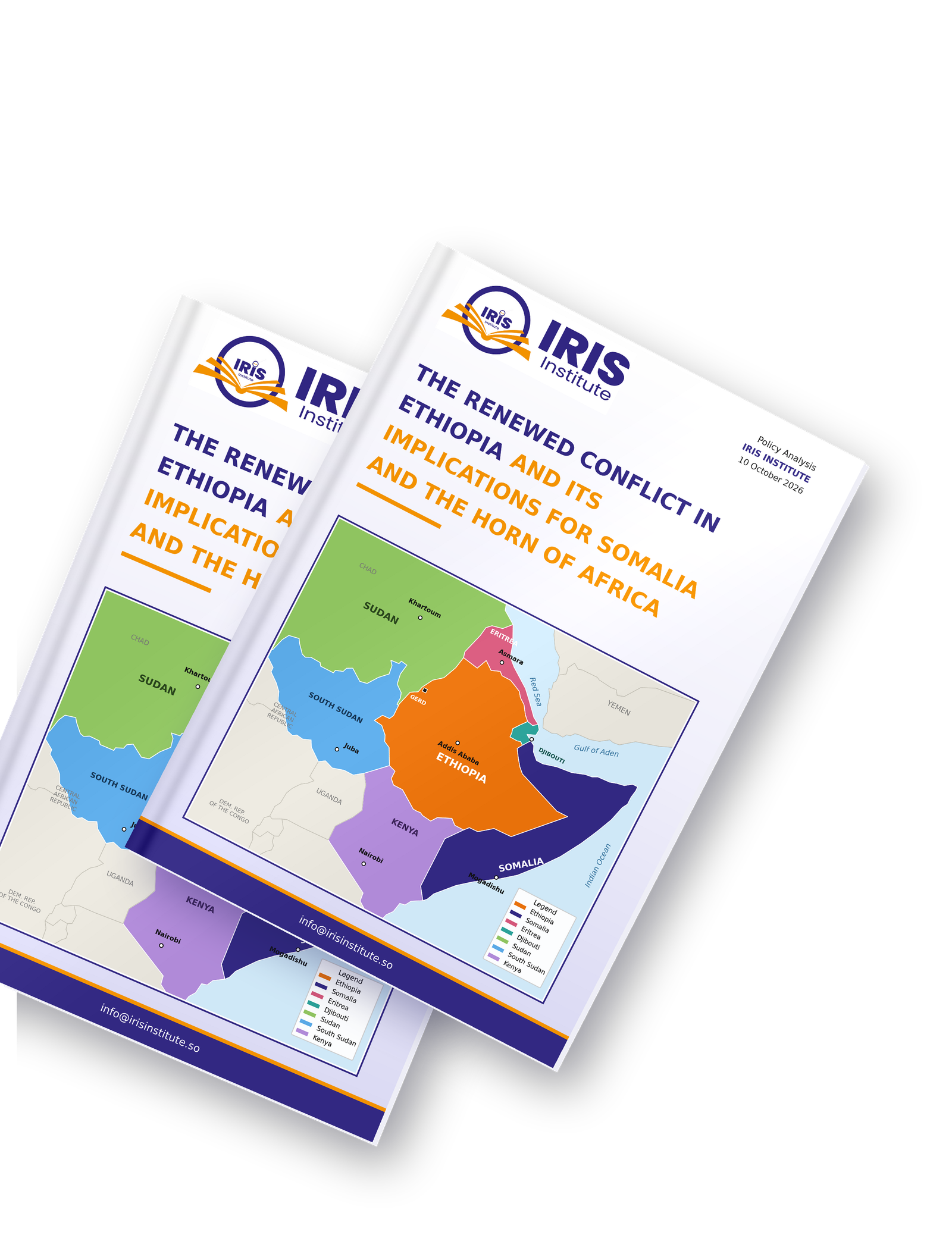
THE RENEWED CONFLICT IN ETHIOPIA AND ITS IMPLICATIONS FOR SOMALIA AND THE HORN) OF AFRICA
Strengthening Community Engagement for El Niño Awareness and Preparedness in Puntland